
 ShahFaisal
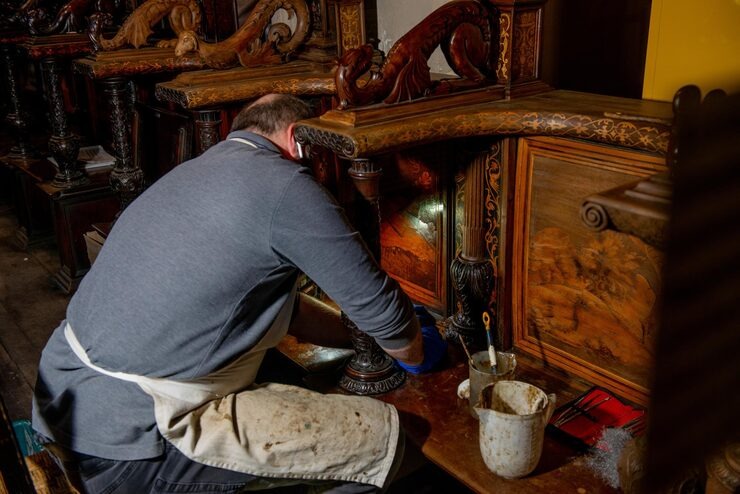
I used to think that once a piece of furniture was damaged, outdated, or simply “worn out,” its fate was sealed. Scratches meant replacement. Loose joints meant a trip to the curb. Faded finishes meant it was time to shop for something new. Over the years, living in Maryland and owning everything from antique family heirlooms to well-loved everyday furniture completely changed that mindset. Furniture repair didn’t just save my favorite pieces—it saved memories, money, and a sense of craftsmanship I didn’t realize I valued so deeply.
In this post, I want to share what I’ve learned firsthand about furniture repair in Maryland, why it’s worth considering before buying new, and how it can breathe new life into pieces you thought were beyond saving.
Why I Stopped Replacing and Started Repairing
Like many people, I once saw furniture as semi-disposable. A scratched table or sagging chair felt like an excuse to upgrade. But after replacing a dining set that had been in my family for decades, I realized something important: new furniture often lacks the soul, durability, and quality of older pieces.
The turning point came when a repair professional restored an old dresser I’d nearly thrown away. What came back into my home wasn’t just “fixed.” It was transformed—solid, beautiful, and better than it had been in years. That experience made me rethink every piece I owned.
What Furniture Repair in Maryland Really Means
Furniture repair isn’t just about fixing broken legs or tightening screws. In Maryland, where homes range from historic townhouses to modern suburban builds, repair specialists work on a wide variety of styles and materials. I’ve seen experts restore:
-
Antique wood furniture with historical value
-
Upholstered chairs with worn fabric or collapsed cushions
-
Tables damaged by water, heat, or pet scratches
-
Cabinets and built-ins with structural issues
-
Modern furniture with veneer damage or finish problems
Each project requires a blend of craftsmanship, patience, and deep understanding of materials. This isn’t rushed work—it’s skilled restoration.
Saving Sentimental Value You Can’t Replace
Some furniture simply can’t be replaced, no matter how much money you spend. I learned this when my grandmother’s rocking chair cracked at the joint. It wasn’t valuable in an auction sense, but emotionally, it was priceless.
Furniture repair allowed me to preserve the piece exactly as it was—same wood, same curves, same memories—just stronger and safer. Every time I sit in it now, I feel connected to my past in a way no new purchase could replicate.
The Cost Advantage Most People Overlook
One of the biggest myths I believed was that furniture repair was expensive. In reality, replacing quality furniture often costs far more than restoring it.
Here’s what I discovered through experience:
-
Repairing solid wood furniture is usually far cheaper than buying new solid wood pieces.
-
Upholstery replacement often costs less than buying a high-quality new sofa.
-
Structural repairs can extend a piece’s life by decades.
When I compared estimates, repair consistently came out ahead—not just financially, but in long-term value.
Environmental Benefits That Actually Matter
Living in Maryland has made me more aware of environmental responsibility. Landfills are already overloaded, and furniture waste is a growing problem. Repairing instead of replacing significantly reduces waste and the demand for new raw materials.
Every repaired piece means:
-
Fewer trees cut down
-
Less manufacturing pollution
-
Reduced transportation emissions
Furniture repair is one of the simplest ways I’ve found to make a sustainable choice without sacrificing comfort or style.
Restoring Quality That Modern Furniture Often Lacks
One hard truth I’ve learned: much of today’s mass-produced furniture isn’t built to last. Particle board, thin veneers, and weak joints are common. Older furniture—especially solid wood pieces—was built with longevity in mind.
Furniture repair allows you to:
-
Reinforce joints using traditional techniques
-
Replace inferior materials with stronger alternatives
-
Restore finishes that protect and enhance the wood
After restoration, many of my pieces feel sturdier than they did when I first owned them.
Custom Results Instead of One-Size-Fits-All
Another benefit I didn’t expect was customization. Repair doesn’t just bring furniture back to its original state—it can improve it.
Through repair, I’ve been able to:
-
Change stain colors to match new interiors
-
Upgrade fabrics to modern, durable materials
-
Adjust heights, padding, and finishes for comfort
It’s like commissioning a custom piece without starting from scratch.
Furniture Repair for Maryland’s Unique Homes
Maryland homes often come with unique architectural challenges—older doorways, tight staircases, historic layouts. I’ve found that repairing existing furniture is often more practical than trying to bring bulky new items into these spaces.
Repair professionals understand how to:
-
Work with furniture already sized for your home
-
Preserve period-appropriate designs
-
Restore pieces that fit your space perfectly
That practicality alone has saved me countless headaches.
Knowing When Repair Is the Right Choice
Not every piece needs saving, and I’ve learned to be realistic. Here’s how I decide whether repair makes sense:
-
Is the frame solid? If yes, repair is usually worth it.
-
Does it have sentimental or aesthetic value? Emotional worth matters.
-
Is replacement equal in quality? Often, it’s not.
-
Can it be improved through repair? Many pieces can.
If the answer to most of these is yes, I don’t hesitate to repair.
Choosing the Right Furniture Repair Professionals
The success of furniture repair depends heavily on who you trust with your pieces. I’ve learned to look for professionals who:
-
Have experience with different furniture styles
-
Communicate clearly about the process
-
Respect the original craftsmanship
-
Provide honest assessments
If you want to see the type of craftsmanship that sets a high standard, I recommend you Look at the Website by visiting. Seeing real examples of furniture work makes it easier to understand what’s possible.
For a broader view of their services and approach, you can also Go to the Website.
The Emotional Impact I Didn’t Expect
What surprised me most wasn’t the cost savings or environmental benefits—it was how much joy restored furniture brought into my daily life. Sitting at a repaired table, opening a smoothly restored drawer, or relaxing on a refinished chair feels different. There’s pride in knowing I chose preservation over disposal.
Furniture repair turned my home into a collection of stories instead of a showroom of replacements.
Actionable Steps to Start Saving Your Furniture
If you’re considering furniture repair in Maryland, here’s exactly what I recommend:
-
Inventory your furniture – Identify pieces with damage or wear.
-
Assess emotional and practical value – Don’t underestimate either.
-
Take photos – This helps professionals evaluate options.
-
Ask detailed questions – Materials, timelines, finishes, and durability matter.
-
Think long-term – Repair is about extending life, not quick fixes.
These steps helped me make confident decisions every time.
Final Thoughts: Repair Is an Investment, Not a Compromise
Furniture repair in Maryland completely changed how I view my home. Instead of constantly replacing items, I now invest in what I already own. The result is a space filled with character, quality, and meaning.
If you have furniture you love—even if it looks tired or damaged—don’t write it off. Repair has the power to restore not just the piece, but the connection you have with it.
For me, furniture repair wasn’t just a service. It was a shift in mindset—one that saved my favorite pieces and made my home feel truly my own.
