
 AsimAli
Weddings are exciting occasions for children, but traditional outfits can sometimes make it difficult for them to walk, play, sit, or dance comfortably. Choosing the right kids pakistani clothes means finding a balance between cultural style, beautiful details, and freedom of movement. A child should be able to enjoy the celebration without constantly adjusting a heavy dress, tight waistband, or uncomfortable sleeves.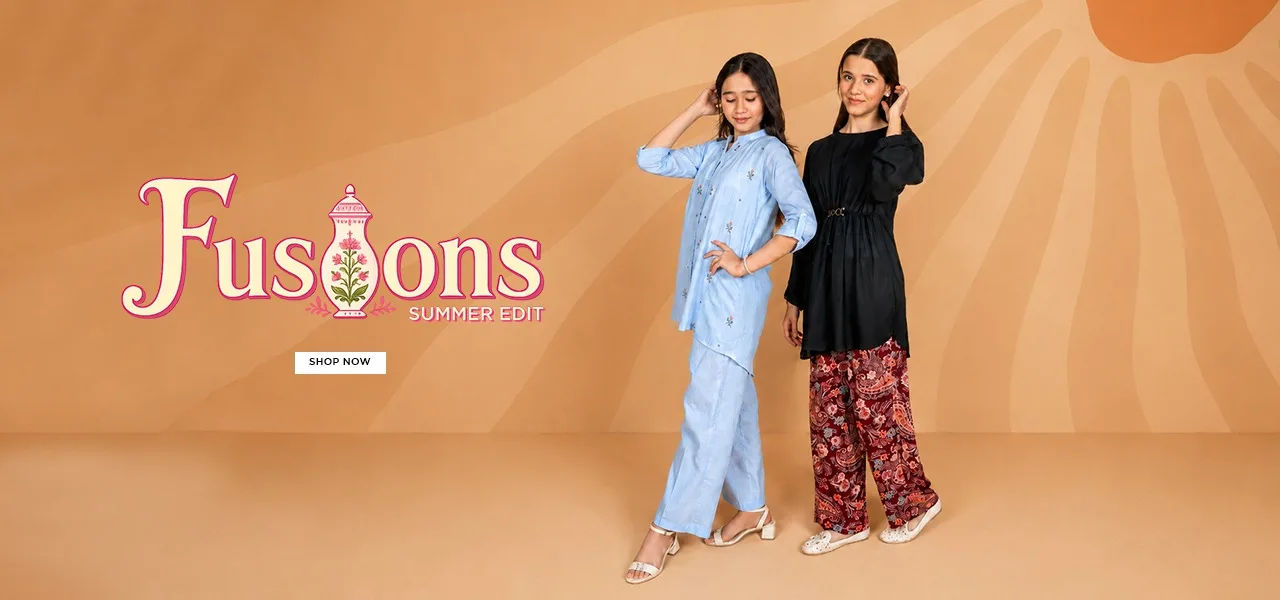 The best wedding outfits are designed with a child's natural activity level in mind. While adults may spend much of a wedding sitting, talking, eating, and taking photographs, children often move from one place to another. They may run toward relatives, play with other children, dance during the mehndi, or simply explore the venue.
For this reason, comfort should be considered just as carefully as color, embroidery, and overall appearance. Fortunately, there are many traditional Pakistani outfits that can look festive while still allowing children to move freely.
Why Movement Matters in Children's Wedding Clothes
Children rarely stay still for long. Even at formal weddings, they need clothing that allows them to bend their knees, raise their arms, walk comfortably, and sit without restriction.
A beautiful outfit can become frustrating if it is too tight or made from a stiff fabric. A child may start pulling at the sleeves, lifting the hem, or asking to change clothes before the event is over.
Comfortable clothing also helps children enjoy important wedding activities. Mehndi celebrations often involve dancing and games, while wedding receptions may require children to walk between tables, pose for photographs, and spend several hours at the venue.
When selecting kids pakistani clothes, parents should therefore think beyond appearance. The construction, fabric, length, fit, and amount of embellishment can all affect mobility.
Best Pakistani Outfits for Active Children
Some traditional outfits naturally provide more freedom than others. Loose silhouettes, soft fabrics, and practical designs are especially useful for younger children.
Shalwar Kameez
Shalwar kameez is one of the most practical choices for a wedding. The loose shalwar provides plenty of room around the legs, making it easier for children to walk, sit, and play.
The kameez can also be designed with a comfortable straight or slightly relaxed cut. Parents can choose a festive version featuring embroidery, decorative buttons, borders, or subtle embellishments.
For younger children, avoiding an excessively long kameez is important. A shorter, well-fitted length can reduce the chance of tripping while preserving the traditional appearance.
A soft cotton, cotton-blend, lawn, or lightweight silk-style fabric can make the outfit easier to wear for several hours.
Kurta and Shalwar
A kurta paired with a shalwar is another excellent option for boys. The outfit is traditional, attractive, and naturally suited to movement.
A relaxed kurta does not restrict the upper body, while the shalwar provides space around the legs. This combination works particularly well for children who are likely to spend time walking or playing.
For weddings, parents can select kurtas with embroidered collars, cuffs, or chest details. These small decorative elements can create a formal appearance without making the entire outfit heavy.
Anarkali Dresses
Anarkali-style dresses can be a good choice for girls when the skirt portion is properly designed. The flared shape gives the legs room to move and can look especially beautiful during wedding celebrations.
However, the length needs attention. A floor-length Anarkali may look elegant in photographs but can become difficult for an active child to manage.
A hem that sits safely above the floor is usually more practical. Lightweight layers are also preferable to extremely heavy skirts.
Angrakha-Style Outfits
Angrakha-inspired dresses have a naturally relaxed shape. Their overlapping front design can provide comfort while adding a traditional touch.
These outfits can work particularly well for mehndi celebrations because they combine cultural detailing with a relatively flexible silhouette.
Parents should make sure the ties or decorative elements are secure and do not become loose while the child is playing.
Gharara and Sharara Sets
Gharara and sharara outfits are popular choices for girls at Pakistani weddings. Their wide-leg construction can provide excellent movement when the trousers are not excessively tight.
A lightweight sharara can allow a child to walk and dance more comfortably than a heavily structured skirt.
The waistband is particularly important. Elasticized or adjustable waistbands can make the outfit more comfortable because children can move and sit without pressure around the stomach.
Fabrics That Help Children Move Comfortably
The design of an outfit matters, but fabric can be equally important. A beautiful dress made from stiff or heavy material may become uncomfortable after only a short period.
Cotton
Cotton is breathable and generally comfortable for children. It can be a practical choice for daytime weddings, especially during warmer weather.
Festive embroidery or printed details can make cotton outfits look appropriate for formal events without adding excessive weight.
Lawn
Lawn is lightweight and breathable, making it useful for warm-weather celebrations. It allows clothing to remain relatively light while still supporting colorful Pakistani designs.
For summer weddings, lawn-based outfits can help reduce discomfort caused by heat.
Lightweight Chiffon
Chiffon can create a graceful appearance without necessarily adding much weight. It is often used for dupattas, overlays, or decorative layers.
For children, however, the fabric should be soft and securely finished. A very slippery or delicate layer may be inconvenient for active movement.
Silk Blends
Silk and silk-blend fabrics can look luxurious and work well for formal wedding events. However, extremely heavy silk outfits may not be ideal for very active children.
A lightweight blend can provide the festive appearance parents want while remaining easier to wear.
Features That Improve Freedom of Movement
Certain clothing details can make a significant difference in how easily a child moves.
Comfortable Waistbands
The waistband should sit securely without feeling tight. Adjustable waistbands, elastic sections, or comfortable drawstrings can be useful.
Children need enough room to sit, stand, and bend without pressure around the waist.
Flexible Sleeves
Sleeves should allow children to raise their arms naturally. Extremely narrow sleeves can make dancing, playing, and even eating uncomfortable.
Three-quarter or moderately loose sleeves can provide a good combination of traditional style and practicality.
Appropriate Hem Length
A dress or kameez that reaches too close to the ground can create a tripping hazard. This is especially important for toddlers and younger children.
Parents should check the outfit while the child is wearing the shoes intended for the wedding. The length that looks appropriate without shoes may be too long with a different pair of footwear.
Lightweight Embellishment
Embellishment can make an outfit look festive, but excessive decoration adds weight and can make clothing stiff.
Small embroidered motifs, borders, sequins, or decorative buttons can provide plenty of visual interest without covering the entire outfit with heavy work.
How to Choose Outfits for Different Wedding Events
Pakistani weddings often include several functions, and the best outfit can vary depending on the event.
Mehndi
The mehndi is usually one of the most active celebrations. Children may dance, play, and move around more than they would at a formal reception.
For this event, lightweight shararas, ghararas, short Anarkalis, colorful shalwar kameez, and comfortable kurtas are strong choices.
Bright colors such as yellow, green, orange, pink, and turquoise can create a festive look without requiring excessive embellishment.
Baraat
The baraat is generally more formal, so parents may want a more polished appearance. A traditional kameez with a shalwar or a moderately embellished Anarkali can work well.
The key is to keep the outfit comfortable enough for several hours. Formal does not have to mean heavy.
Walima
A Walima often has a more elegant and refined atmosphere. Pastel shades, soft embroidery, and lightweight formal fabrics can create a sophisticated appearance.
For children, a simple long shirt with comfortable trousers or a light Anarkali can offer the right balance between elegance and movement.
What to Avoid in Children's Wedding Outfits
Knowing what not to choose can be just as useful as knowing what works.
Very tight trousers should generally be avoided for active children. They can restrict movement and become uncomfortable when the child sits for long periods.
Extremely long dresses are another concern. A trailing hem may look beautiful but can make walking difficult.
Heavy dupattas can also be inconvenient. Young children may repeatedly need help adjusting them, especially if they are dancing or playing.
Parents should also be cautious with excessive sequins, thick beads, and heavy decorative panels. These details can make an outfit uncomfortable and may irritate sensitive skin.
Stiff waistbands, scratchy lining, rough seams, and restrictive cuffs can turn an attractive outfit into an unpleasant experience.
Choosing the Right Size
Buying the correct size is essential for movement. Parents sometimes choose oversized clothing because children grow quickly, but an excessively large outfit can be just as inconvenient as a tight one.
The shoulders should sit correctly, sleeves should allow natural arm movement, and trousers should provide enough room without constantly slipping.
If purchasing online, carefully check the seller's measurement chart rather than relying only on the child's age.
It is also useful to measure the child's height, chest, waist, and sleeve length before ordering. Different brands may use different sizing systems.
Footwear Should Also Support Movement
Even the most comfortable outfit can become difficult to wear if the shoes are unsuitable.
Children attending weddings should ideally wear footwear they can walk in confidently. Shoes that are too stiff, slippery, or tight may make movement difficult.
If traditional footwear such as khussas is selected, parents should ensure that the shoes fit properly and have been tested before the wedding.
For younger children, comfort and stability should take priority over highly decorative footwear.
How to Balance Style and Comfort
Parents do not have to choose between a traditional appearance and practical clothing. The best kids pakistani clothes combine both.
Instead of selecting a very heavy dress, consider a simple silhouette with attractive embroidery. Rather than choosing a floor-length outfit, select a safer length with a decorative border.
Color can also create a strong festive effect. Rich shades and coordinated accessories can make a relatively lightweight outfit look special.
A beautiful hairstyle, comfortable shoes, and a small accessory can complete the wedding look without adding unnecessary weight to the clothing.
Age-Appropriate Choices
A toddler has different clothing needs from a twelve-year-old.
Toddlers
Toddlers benefit from soft fabrics, flexible waistbands, short or moderate hems, and minimal accessories. Their outfits should make it easy to walk, sit, and move without assistance.
Avoid loose decorative pieces that could become a safety concern.
School-Age Children
School-age children can wear more detailed traditional outfits. Shalwar kameez, ghararas, shararas, and Anarkali-style dresses can all work well when the fit is comfortable.
At this age, children can also express their own preferences about colors and styles.
Teenagers
Older children may prefer outfits that look more similar to adult wedding fashion. Long shirts, coordinated trousers, elegant Anarkalis, and lightly embellished formal suits can create a mature appearance.
Even then, mobility should remain a priority. A stylish outfit is more enjoyable when the wearer can comfortably move throughout the celebration.
Practical Tips Before the Wedding
Parents should ideally have the child try on the complete outfit before the event. Ask them to walk, sit, raise their arms, bend down, and move around.
This simple test can reveal problems that may not be obvious while the child is standing still.
It is also a good idea to check the outfit for scratchy seams or uncomfortable embroidery. If a child complains about discomfort at home, the problem will probably feel worse after several hours at a wedding.
Wearing the outfit briefly before the event can help the child become familiar with it. Shoes should also be tested in advance.
For longer celebrations, carrying a lightweight backup outfit can be helpful, particularly for younger children.
Frequently Asked Questions
Which Pakistani outfit is best for an active child at a wedding?
A comfortable shalwar kameez, kurta with shalwar, or lightweight sharara can be excellent choices. These styles generally provide more room for movement than tight or heavily structured clothing.
Are Anarkali dresses comfortable for children?
They can be, especially when the skirt is lightweight and the hem is an appropriate length. A very heavy or floor-length Anarkali may be less practical for an active child.
Can children wear heavily embroidered wedding clothes?
Yes, but lighter embroidery is usually more comfortable. Heavy beads, sequins, and thick decorative panels can increase weight and restrict movement.
What fabric is best for a summer wedding?
Breathable fabrics such as cotton and lawn are practical choices. Lightweight blends can also work, depending on the design and weather.
Should children wear dupattas at weddings?
A dupatta can complete a traditional outfit, but it should be lightweight and securely managed. For very young children, parents may prefer a simple outfit without a loose dupatta.
Conclusion
Choosing wedding clothing for children requires more than finding a beautiful color or attractive embroidery. Children need outfits that allow them to participate in the celebration comfortably. The best kids pakistani clothes combine traditional style with practical construction, breathable materials, suitable lengths, and enough room for natural movement.
Shalwar kameez, kurta and shalwar combinations, lightweight Anarkalis, Angrakha styles, and comfortable gharara or sharara sets can all work well. The ideal choice depends on the child's age, the wedding function, the weather, and how active the child is likely to be.
Parents should pay particular attention to waistbands, sleeves, hems, fabric weight, embroidery, and footwear. A simple movement test before the wedding can help identify uncomfortable areas before the big day.
Ultimately, children should be able to walk, sit, dance, play, and enjoy time with their families without constantly worrying about their clothes. With thoughtful choices, traditional Pakistani wedding fashion can be both elegant and easy to move in. The result is an outfit that looks wonderful in photographs while allowing the child to enjoy the celebration naturally.
