
 Millermarker
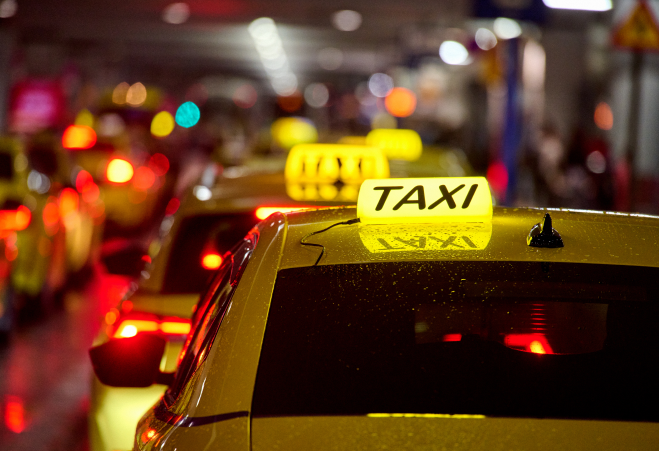
In nowadays s fast-paced world, taxi services have become an requirement part of municipality and residential area life. Whether you re an early on flight, attending an prodigious merging, or plainly header home after a long day, a trusty taxi ensures , comfort, and safety. But what exactly makes a taxi service place upright out? How do you find the best one? And why are taxis still crucial despite the rise of ride-hailing apps? Let s research everything you need to know about taxis how they work, what they volunteer, and why they continue a of Bodoni transit.
What Is a Taxi?
A taxi is a fomite authorized to channelise passengers from one positioning to another in exchange for a fare. Operated by professional person drivers, taxis cater on-demand travel without unmoving routes, qualification them flexible and favorable for individuals and groups alike. They can be hailed from the street, set-aside by phone, or unemotional through Mobile apps, depending on the city or country.
How Does a Taxi Work?
The work is simpleton yet competent:
Booking or Hailing Passengers either hail a taxi on the street, wait at a taxi place upright, or book one through an app or call call.
Metered Fare or Fixed Rate Traditional taxis use a meter to forecast fares based on outdistance and time, while some offer rigid rates for particular routes(e.g., airport transfers).
Pick-up and Drop-off The collects passengers from their position and drops them safely at the destination.
Payment Payments can be made in cash, via credit card, or through mobile wallets and apps.
Modern taxi services also incorporate GPS tracking, digital payments, and real-time ratings to improve refuge and transparence.
Why Taxis Are Still Important
Despite the popularity of ride-hailing platforms, orthodox taxis uphold to thrive for several reasons:
Reliability: Licensed taxis must meet political science refuge standards and insurance policy requirements.
Availability: In many cities, taxis are promptly available 24 7, even during peak hours or in low-network areas.
Professional Drivers: Taxi drivers are often more skilled and knowing about topical anesthetic routes and dealings.
Fixed Pricing: Many taxis operate under government-regulated fare systems, preventing overcharging.
Accessibility: Taxis often offer wheelchair-accessible vehicles, something not always available in private rideshare fleets.
Where to Find the Best Taxi Services
Finding the best taxi depends on your placement and needs. Here are some common ways:
City Taxi Stands: Usually located at airports, railway Stations of the Cross, and central byplay districts.
Online Booking Apps: Many orthodox taxi companies now volunteer apps for easy reservation and fare estimate.
Local Directories and Websites: Searching taxi near me on Google often brings up top-rated local anesthetic taxi providers.
Hotel and Airport Desks: Many hotels and airports have partnerships with trustworthy taxi companies for guests and travelers.
That One Factor That Defines a Great Taxi Service
Trust. Whether it s a local anesthetic cab or an airdrome taxi, bank is what separates a good serve from a important one. A trusty taxi keep company prioritizes rider safety, maintains clean and wide vehicles, employs authorized drivers, and ensures transparent pricing without concealed fees.
The Future of Taxi Transportation
The taxi industry is evolving rapidly. With electric car vehicles, eco-friendly fleets, and AI-powered remove systems, 的士去機場 are becoming smarter and greener. Cities are embrace property taxi solutions to tighten contamination and dealings , ensuring that taxis preserve to play a life-sustaining role in futurity urban mobility.
Conclusion
A taxi is more than just a ride it s a symbolization of dependable and available channel. Whether you re travelling across town or catching an early on fledge, taxis offer the flexibility and reliableness you need. As engineering continues to advance, taxi services are adapting to meet modern font demands while staying true to their core purpose: getting you where you need to go, safely and well.
