
 AsimAli
Small plastic bottles are widely used for storing and packaging different types of liquids. Their designs may look simple, but many include specialized closures that provide additional protection. Understanding these packaging features helps consumers recognize how bottles are designed, why certain caps are used, and what safety precautions should be followed.Chubby Gorilla bottles are recognized for their distinctive shapes, durable plastic construction, and specialized closure systems. They are commonly associated with packaging applications that require secure storage and controlled access. 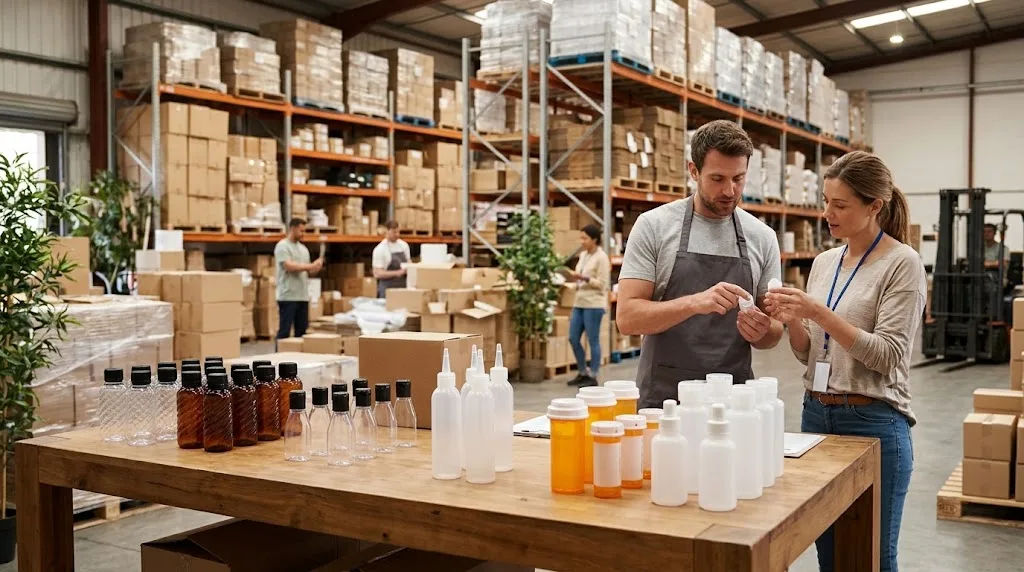 Their caps may include child-resistant features, tamper-evident components, and leak-resistant designs. These features are particularly important when bottles contain substances that could be harmful if accidentally swallowed or touched.
This comprehensive guide explains the different components of these bottles, the purpose of their closure systems, how to identify their safety features, and what precautions consumers should take. It also explores common packaging problems, storage recommendations, and ways to recognize potentially damaged or unreliable containers.
The Design of Chubby Gorilla Bottles
Before discussing Chubby Gorilla bottle closures, it is useful to understand the general construction of these containers.
These bottles are designed with several components that work together to protect their contents. Each component serves a different purpose, from maintaining structural strength to reducing accidental leakage.
Bottle Body
The bottle body is generally made from plastic selected for its durability and flexibility. Depending on the product and packaging requirements, different plastic materials may be used.
A well-designed bottle body offers several benefits:
-
Provides a lightweight packaging solution.
-
Helps protect the contents during ordinary handling.
-
Supports convenient storage and transportation.
-
Reduces the likelihood of accidental damage.
-
Provides space for product information and identification.
The bottle's shape can also influence how easily it fits into storage areas and packaging systems.
Bottle Cap
The cap is one of the most important components of the packaging system. It creates a closure between the bottle opening and its contents.
Some designs include child-resistant mechanisms. These mechanisms are intended to make accidental access more difficult for young children while allowing appropriate adult access.
The exact closure design can vary according to the bottle model and intended packaging application.
Neck and Opening
The neck connects the main bottle body to the closure. Its dimensions and construction must be compatible with the cap.
A properly matched neck and cap help create a secure seal. Differences in manufacturing specifications can affect how effectively the closure performs.
Why Do These Bottles Have Specialized Caps?
Specialized bottle closures are not simply decorative features. They serve important packaging and safety purposes.
Child-Resistant Protection
One important reason for using specialized caps is to reduce the possibility of accidental access by children.
Child-resistant packaging is designed around safety principles. It makes unintended opening more difficult, although it should never be considered completely childproof.
Products containing nicotine or other potentially harmful substances require particularly careful storage.
Leak Prevention
Another important function is reducing accidental leakage.
A properly manufactured closure helps keep liquid inside the container during ordinary storage and transportation.
Leaks can create problems because some substances may irritate the skin or cause harm if swallowed.
Product Protection
A secure closure also helps protect packaged products from environmental contamination.
Depending on the packaging design, the cap may help limit exposure to air, dust, moisture, and other external factors.
This protection contributes to maintaining the quality of the packaged product.
How to Identify Different Closure Features
Not every bottle uses the same cap design. Understanding the visible features can help consumers recognize the type of packaging they have.
Child-Resistant Caps
Child-resistant caps are designed to reduce accidental access.
Their appearance may resemble an ordinary bottle cap, but their internal construction can be more complicated.
Important characteristics include:
-
Specialized closure components.
-
Safety-oriented construction.
-
Compatibility with particular bottle necks.
-
Requirements for appropriate adult handling.
The exact mechanism depends on the packaging model.
Tamper-Evident Seals
Some bottles include tamper-evident features.
These components provide a visible indication of whether packaging may have been opened or disturbed before purchase.
A damaged, missing, or suspicious seal should not be ignored.
If the packaging appears compromised, avoid using the product and contact the retailer or manufacturer.
Leak-Resistant Closures
Leak-resistant closures are designed to reduce unintended liquid escape.
Their performance depends on several factors, including material quality, manufacturing precision, cap compatibility, and the condition of the bottle.
A damaged cap may not provide reliable protection.
Important Safety Precautions
Safety should always come before convenience when handling specialized liquid containers.
Some bottles may contain nicotine-based liquids, chemicals, or other substances that can be harmful. Their contents should never be assumed safe simply because they are stored in a small plastic bottle.
Keep Bottles Away From Children
Store potentially hazardous liquids in a secure location that children cannot access.
A high shelf alone may not provide sufficient protection. A locked storage area is a better option.
Always keep products in their original packaging whenever possible.
Avoid Damaged Packaging
Inspect the exterior before handling a bottle.
Look for:
-
Cracks in the plastic.
-
Visible leakage.
-
Damaged cap components.
-
Missing tamper-evident seals.
-
Unusual discoloration.
-
Unclear or missing product labels.
If any of these problems appear, avoid using the contents.
Avoid Direct Contact With Unknown Liquids
Do not touch unidentified substances inside or around a bottle.
If a liquid comes into contact with skin, follow the product's safety information and seek appropriate medical advice when necessary.
If someone accidentally swallows an unknown substance, seek urgent medical assistance or contact a local poison information service.
What Should You Do If a Bottle Cap Appears Stuck?
A cap that appears stuck can be frustrating, but forcing it is not a safe solution.
Specialized closures may contain components that can become damaged when excessive pressure is applied.
Avoid Excessive Force
Using tools or applying unnecessary pressure can damage the cap or bottle.
A damaged container may leak or expose its contents.
It is better to stop handling the bottle if the closure does not appear to function normally.
Check the Packaging Information
Manufacturers may provide model-specific information about their packaging systems.
Check the original packaging, product documentation, or official manufacturer information for relevant safety guidance.
Do not rely on instructions intended for a different bottle model.
Contact the Manufacturer or Retailer
If a closure appears defective, contact the company responsible for supplying the product.
Provide information about the bottle model and describe the visible problem.
A retailer or manufacturer can help determine whether the container should be replaced.
How to Recognize Quality Packaging
Packaging quality is an important consideration when evaluating specialized plastic bottles.
Although appearance alone cannot prove authenticity, certain characteristics can help consumers identify packaging that deserves closer inspection.
Consistent Manufacturing
Quality packaging generally has consistent dimensions and a uniform finish.
Uneven edges, poorly formed plastic, and irregular components may indicate manufacturing problems.
Clear Branding
Authentic branded packaging should have consistent branding and product identification.
However, logos and printed labels can be copied. Therefore, branding should not be treated as conclusive proof of authenticity.
Properly Fitted Components
The cap, bottle neck, and body should appear compatible.
Visible gaps, cracks, or loose components may indicate damage or poor manufacturing quality.
Reliable Supplier Information
Purchasing packaging from an established supplier provides an additional way to evaluate product reliability.
Check the supplier's business information, product specifications, and available documentation.
Common Mistakes to Avoid
Consumers sometimes overlook important packaging precautions.
Understanding these mistakes can help prevent unnecessary problems.
Assuming Every Bottle Uses the Same Cap
Different bottle models may have different closure systems.
Never assume that instructions for one model automatically apply to another.
Ignoring Tamper-Evident Features
Tamper-evident components provide useful information about packaging condition.
Ignoring damaged seals can create unnecessary safety risks.
Storing Bottles in Uncontrolled Areas
Heat, sunlight, and unsuitable storage conditions can affect certain packaged substances.
Follow the manufacturer's storage recommendations and keep hazardous products away from children and pets.
Transferring Contents Into Unmarked Containers
Moving liquids into unidentified containers can create confusion and increase the possibility of accidental exposure.
Original labels provide important product and safety information.
Treating Child-Resistant Packaging as Childproof
Child-resistant packaging reduces the risk of accidental access but does not eliminate it.
Responsible storage remains essential.
Proper Storage and Maintenance
Correct storage helps preserve packaging quality and reduce unnecessary handling.
Choose a Suitable Storage Location
Keep bottles in a cool, dry place when recommended by the manufacturer.
Avoid leaving potentially hazardous liquids in direct sunlight or near heat sources.
Maintain Original Labels
Product labels communicate important information about contents, warnings, and handling requirements.
Never remove essential safety information from packaging.
Check Containers Regularly
Occasionally inspect stored containers for visible damage or leakage.
Any bottle showing signs of deterioration should be isolated safely and handled according to the product's safety instructions.
Follow Manufacturer Recommendations
Storage conditions may differ depending on the liquid and packaging materials.
Always follow the instructions provided by the manufacturer rather than relying on general assumptions.
Conclusion
Understanding specialized bottle closures is important for anyone who handles liquid packaging. Although the exterior design may appear straightforward, components such as the cap, neck, bottle body, and tamper-evident seal all contribute to the overall packaging system.
Chubby Gorilla bottles are associated with distinctive packaging designs and specialized closure features. Their construction may include child-resistant protection, leak-resistant components, and durable plastic materials. However, the exact features depend on the individual model and its intended application.
When a bottle cap appears damaged, stuck, or defective, forcing it is not a suitable solution. Checking manufacturer documentation and contacting the supplier are safer ways to address packaging problems.
Most importantly, potentially hazardous liquids should always remain properly labeled and securely stored away from children and pets. Understanding packaging features, recognizing damaged components, and following appropriate safety recommendations help consumers make responsible decisions.
A good packaging system does more than hold a liquid. It also helps protect the product, reduce accidental exposure, and support safer storage and transportation. Responsible handling is therefore just as important as the quality of the bottle itself.

 Qazi Qazi