
 AsimAli
Pakistani formal dresses are a symbol of tradition, elegance, and cultural pride. They are worn on special occasions, including weddings, parties, Eid celebrations, and other important events.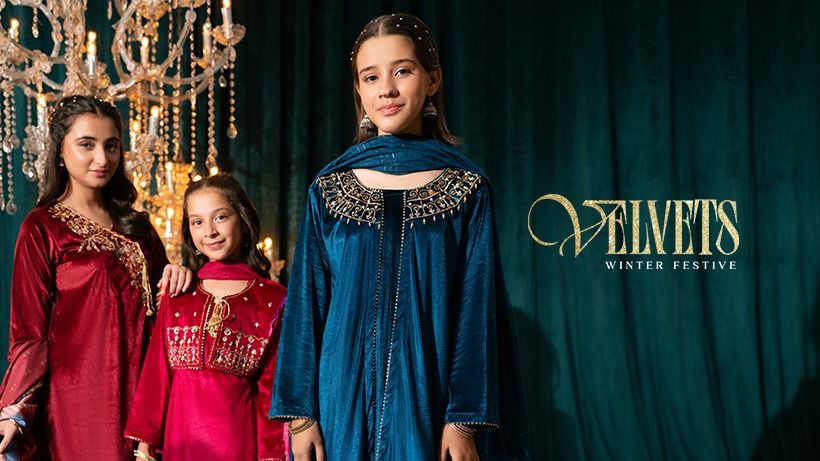
Understanding what counts as a Pakistani formal dress can help you choose the perfect outfit for any formal event, while also respecting the rich heritage of Pakistan's clothing styles.
In Pakistan, fashion is not only about looking good but also about expressing cultural identity. From intricate embroidery to luxurious fabrics, Pakistani formal dresses showcase craftsmanship that has been passed down through generations. This guide will provide a comprehensive overview of what constitutes a Pakistani formal dress, the types, styles, fabrics, and accessories that complete the look.
Characteristics of Pakistani Formal Dresses
Pakistani formal dresses are defined by several unique characteristics that distinguish them from casual or everyday wear. These include:
-
High-Quality Fabrics: Pakistani formal dresses are often made from premium fabrics like silk, chiffon, georgette, organza, and velvet. These materials provide a luxurious look and feel, perfect for formal occasions.
-
Intricate Embroidery: A key feature of Pakistani formal dresses is the use of embroidery. Techniques such as zardozi, gota, sequins, and thread work are commonly used to enhance the beauty of the outfit.
-
Elegant Cuts and Designs: Formal dresses are carefully tailored to create a refined silhouette. They may include long flowing kameez, flared gowns, straight-cut suits, or elaborate lehengas.
-
Vibrant Colors and Patterns: While casual Pakistani dresses may use simple patterns, formal dresses often feature vibrant colors, bold prints, or intricate motifs to make a statement.
-
Attention to Detail: Be it beadwork, mirror work, or lace detailing, every element of a Pakistani formal dress is designed to contribute to its overall elegance.
Popular Types of Pakistani Formal Dresses
Pakistani formal dresses come in a wide range of styles. Some are traditional, while others incorporate modern elements. Here are the most popular types:
1. Shalwar Kameez
The shalwar kameez is the quintessential Pakistani outfit and can be transformed into a formal dress with the right fabric and embellishments. For formal occasions, the kameez is often made of chiffon, silk, or georgette and is adorned with embroidery, sequins, or beads. Pairing it with a matching dupatta completes the formal look.
2. Anarkali Suits
Anarkali suits are a favorite for weddings and festive events. These long, flowing dresses feature a fitted bodice and flared skirt. They are often heavily embroidered with intricate designs. Anarkali suits are considered one of the most elegant options for Pakistani formal dresses because they combine comfort with a regal appearance.
3. Gharara and Sharara
Gharara and sharara dresses are traditional Pakistani outfits that have made a strong comeback in formal fashion. Ghararas feature wide-legged pants that flare out from the knee, while shararas have a similar wide-leg design but start flaring from the waist. Both styles are paired with a long kameez and dupatta, often decorated with heavy embroidery and embellishments.
4. Lehenga Choli
Lehenga choli is a classic choice for brides and formal parties. It consists of a long skirt (lehenga), a fitted blouse (choli), and a dupatta. Pakistani formal dresses in lehenga style are often adorned with zari work, mirror work, or heavy thread embroidery, making them perfect for weddings and formal events.
5. Formal Gowns
Modern Pakistani fashion has embraced western-style gowns as formal attire. These gowns are often floor-length, made from silk, satin, or chiffon, and may feature lace or bead detailing. They are especially popular for evening parties and formal receptions, offering a contemporary twist on traditional Pakistani formal dresses.
Fabrics Commonly Used in Pakistani Formal Dresses
The choice of fabric plays a significant role in defining Pakistani formal dresses. High-quality fabrics not only enhance the look but also ensure comfort during long events. Some of the most common fabrics include:
-
Silk: Smooth, luxurious, and perfect for weddings and receptions. Silk enhances embroidery beautifully.
-
Chiffon: Lightweight and flowy, chiffon is ideal for summer events and formal gatherings.
-
Georgette: Slightly heavier than chiffon, georgette drapes well and is often used for embroidered dresses.
-
Velvet: Rich and opulent, velvet is a popular choice for winter formal events.
-
Organza: Crisp and shiny, organza adds volume and a sophisticated texture to formal dresses.
Embellishments and Embroidery
One of the defining features of Pakistani formal dresses is the intricate detailing. Some of the most common embellishments include:
-
Zardozi Work: A traditional form of embroidery using gold or silver threads.
-
Sequins and Beads: Add sparkle and glamour to formal outfits.
-
Gota Work: Metallic ribbons stitched onto the fabric for decorative patterns.
-
Mirror Work: Small mirrors are sewn onto fabric to create a shimmering effect.
-
Thread Embroidery: Detailed thread patterns that can range from floral motifs to abstract designs.
These embellishments are often combined to create a rich, luxurious look that distinguishes Pakistani formal dresses from everyday attire.
Choosing the Right Pakistani Formal Dress
Selecting a formal dress in Pakistan is about balancing tradition with personal style. Here are some factors to consider:
Occasion
Different occasions require different styles. For weddings, lehengas or heavily embroidered anarkali suits are ideal. For Eid or family gatherings, lighter embroidered shalwar kameez or formal gowns may be suitable.
Comfort
Formal dresses are often worn for long hours, so comfort is important. Fabrics like chiffon and georgette are lightweight, while silk and velvet are heavier but more luxurious.
Personal Style
While tradition plays a role, your personal style should guide your choice. Some may prefer classic cuts and muted colors, while others may opt for bold, vibrant designs.
Body Type
The fit and silhouette of the dress should complement your body type. A well-fitted kameez or gown enhances your appearance and boosts confidence.
Accessories for Pakistani Formal Dresses
Accessories can elevate a Pakistani formal dress and complete the look. Common choices include:
-
Jewelry: Earrings, necklaces, bangles, and rings are essential. Gold, silver, or kundan jewelry works well with formal outfits.
-
Footwear: Traditional khussas or modern heels can complement the outfit.
-
Clutch or Handbag: A matching clutch adds elegance to the ensemble.
-
Dupatta Styling: The dupatta can be draped in various ways to enhance the outfit’s appeal.
Choosing accessories that match the embroidery, colors, and overall theme of the dress is key to achieving a polished look.
Modern Trends in Pakistani Formal Dresses
Pakistani fashion is constantly evolving. Modern formal dresses often blend traditional elements with contemporary trends:
-
Pastel Colors: Soft pastels are becoming increasingly popular for weddings and formal gatherings.
-
Minimalist Embroidery: Some modern formal dresses feature subtle embroidery rather than heavy embellishments.
-
Fusion Wear: Combining western silhouettes with traditional Pakistani fabrics is a growing trend.
-
Designer Labels: Pakistani designers have elevated formal dresses with unique cuts, fabrics, and exclusive embroidery.
Despite these trends, the essence of Pakistani formal dresses remains rooted in cultural heritage and craftsmanship.
Regional Variations
Different regions of Pakistan have their own traditional formal dress styles:
-
Punjab: Famous for bright colors, phulkari embroidery, and festive designs.
-
Sindh: Known for mirror work and ajrak patterns on formal attire.
-
Balochistan: Features tribal embroidery and traditional cuts.
-
Khyber Pakhtunkhwa: Uses local fabrics and subtle embellishments for formal wear.
Understanding regional variations can help you choose a formal dress that reflects cultural authenticity.
Caring for Pakistani Formal Dresses
Formal dresses are an investment, so proper care is essential:
-
Dry Cleaning: Most embroidered and delicate fabrics should be dry cleaned.
-
Storage: Store dresses in cool, dry places and use garment bags to prevent damage.
-
Avoid Direct Sunlight: Exposure to sunlight can fade colors and weaken fabric fibers.
-
Handle Embroidery with Care: Avoid rough handling of sequins, beads, or zardozi work.
Proper care ensures that your Pakistani formal dresses last for years and remain stunning for every occasion.
Conclusion
Pakistani formal dresses are a celebration of culture, elegance, and artistry. From the classic shalwar kameez to modern gowns, these outfits reflect the diversity and creativity of Pakistani fashion. Understanding the types, fabrics, embroidery styles, and accessories associated with formal dresses allows you to make informed choices for any occasion.
Choosing the right Pakistani formal dress involves balancing tradition, comfort, personal style, and occasion. With careful selection and attention to detail, a formal dress can make you look graceful, stylish, and confident. Pakistani formal dresses are not just clothes—they are a statement of heritage and sophistication, designed to make every wearer feel special.
Whether you prefer heavily embroidered anarkalis, chic formal gowns, or elegant lehengas, there is a perfect Pakistani formal dress for every individual. By embracing the richness of fabrics, intricate embroidery, and thoughtful styling, you can enjoy the charm and luxury of formal Pakistani attire while honoring its cultural roots.
