
 AsimAli
Gaming has become a popular form of entertainment for people of different ages and backgrounds. Some players enjoy competitive tournaments, challenging missions, and long gaming sessions, while others prefer simple activities that help them relax during their free time. This second approach is commonly known as casual gaming. It focuses on entertainment, convenience, and enjoyment rather than serious competition or complicated gameplay.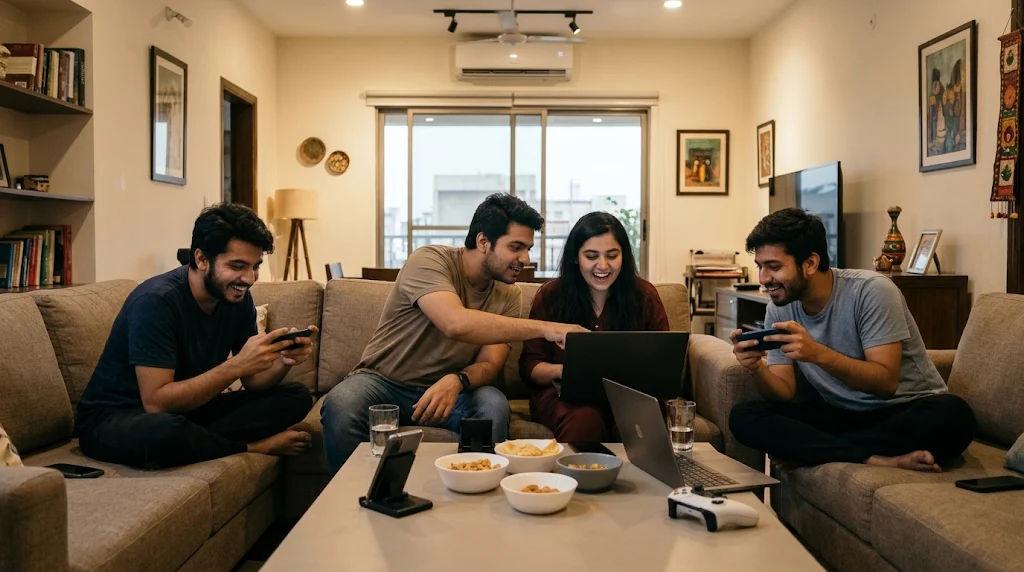
Casual gaming is an accessible way to enjoy digital entertainment without needing advanced skills, expensive equipment, or a large time commitment. Players can enjoy puzzles, simple adventures, simulation activities, and online games whenever they have a few minutes available. These experiences are designed to make gaming comfortable and enjoyable for beginners as well as experienced players.
Understanding what casual gaming means helps explain why it has become such an important part of modern entertainment. It is not limited to a particular age group, gaming device, or skill level. Instead, it offers flexible experiences that allow people to play according to their interests, schedules, and personal preferences.
What Is Casual Gaming?
Casual gaming refers to playing video games primarily for entertainment, relaxation, and enjoyment. Unlike highly competitive gaming, it does not usually require players to spend many hours practising or developing advanced strategies.
Casual games are generally easy to understand and feature straightforward controls. Players can start playing without completing lengthy tutorials or learning complicated gaming systems.
The main purpose is to provide an enjoyable experience that fits naturally into everyday life.
For example, someone might play a puzzle game during a short break, enjoy a simple racing game after school, or spend a few minutes exploring a virtual world.
Casual gaming allows people to enjoy interactive entertainment without treating every gaming session as a serious challenge.
Main Characteristics of Casual Gaming
Several characteristics distinguish casual gaming from other gaming styles.
-
Simple gameplay: Most casual games have straightforward rules and controls.
-
Short sessions: Players can enjoy many games in just a few minutes.
-
Easy accessibility: Games are often available on smartphones, computers, tablets, and consoles.
-
Flexible participation: Players can usually start or stop whenever convenient.
-
Entertainment-focused: Enjoyment is generally more important than competition.
-
Beginner-friendly: Many games welcome people with little previous gaming experience.
These characteristics make casual gaming suitable for people who want entertainment without a complicated commitment.
How Does Casual Gaming Work?
Casual gaming works through simple interactive systems that allow players to participate in digital activities. Depending on the game, players might solve puzzles, complete small challenges, explore environments, or manage virtual activities.
Most casual games provide instructions through menus, tutorials, or visual demonstrations. This helps players understand the basic objectives before starting.
For example, a matching game might ask players to connect similar objects. A racing game might require them to reach the finish line, while a simulation game could involve managing a virtual garden.
The controls are usually designed to be comfortable and understandable.
Starting a Casual Game
Starting a casual game is generally straightforward.
Players choose a game, open it on their preferred device, and follow the instructions provided. Some games require an internet connection, while others can be played offline.
Many mobile games are OPEN88 through official application stores. Computer players can access browser-based experiences or install games from trusted platforms.
Some games also offer optional accounts that allow players to save progress and access additional features.
Understanding Game Objectives
Every game has its own objectives.
In puzzle games, players may need to solve problems. In sports games, they might participate in simplified sporting activities. In simulation games, they can build, organize, or manage virtual environments.
These objectives provide direction without necessarily creating pressure.
Players can enjoy the experience at their own pace, making casual gaming suitable for different preferences.
Different Types of Casual Games
Casual gaming includes many categories. Each offers a different experience, allowing players to choose activities that match their interests.
Puzzle Games
Puzzle games are among the most recognizable examples of casual gaming.
They encourage players to think carefully, recognize patterns, and solve problems. Some involve matching colours, arranging objects, completing pictures, or finding solutions to simple challenges.
Popular puzzle formats include:
-
Matching games.
-
Word puzzles.
-
Number challenges.
-
Jigsaw puzzles.
-
Logic-based activities.
These games are popular because players can complete individual challenges without committing to lengthy gaming sessions.
Casual Racing Games
Casual racing games offer an entertaining experience through simplified driving mechanics.
Unlike realistic racing simulations, they often use easy controls and shorter tracks. Players may compete against computer-controlled opponents, collect rewards, or complete small racing challenges.
Their straightforward design makes them accessible to beginners.
Simulation Games
Casual adventure games combine exploration with simple challenges.
Players may visit different locations, discover objects, interact with characters, or complete short missions.
These games often include colourful environments and straightforward storytelling.
They provide an enjoyable experience without necessarily requiring the complicated mechanics found in advanced adventure games.
Digital card and board games bring familiar activities to electronic devices.
Examples include chess, checkers, solitaire, and simplified board games.
Players can enjoy these activities alone or with other people. Some digital versions also include tutorials that help beginners understand the rules.
What Is the Difference Between Casual and Competitive Gaming?
Casual and competitive gaming both provide entertainment, but their objectives and playing styles are different.
Casual gaming focuses on relaxation, accessibility, and personal enjoyment. Competitive gaming places greater emphasis on performance, rankings, strategy, and winning.
|
Feature |
Casual Gaming |
Competitive Gaming |
|---|---|---|
|
Main purpose |
Entertainment |
Competition and achievement |
|
Difficulty |
Often beginner-friendly |
Can be challenging |
|
Playing time |
Usually flexible |
Often requires regular practice |
|
Competition |
Optional or limited |
Usually important |
|
Skills |
Basic skills are often enough |
Advanced skills may be needed |
|
Commitment |
Generally low |
Can be significant |
Differences in Playing Style
Casual players usually choose games based on their interests and available time.
They might enjoy a puzzle in the morning and a racing game later in the day. There is generally no requirement to maintain a particular performance level.
Competitive players, however, may spend considerable time learning advanced techniques and improving their results.
They often participate in tournaments, ranked matches, or organized competitions.
Differences in Player Expectations
Expectations also influence the gaming experience.
Casual players typically want something entertaining and convenient. Competitive players may focus on improving their rankings, mastering mechanics, and achieving specific goals.
Neither approach is automatically better. Both provide different forms of digital entertainment.
Why Has Casual Gaming Become So Popular?
Casual gaming has become popular because it fits modern lifestyles.
Many people have busy schedules involving education, work, family responsibilities, and other activities. They may not have enough time to participate in lengthy gaming sessions.
Casual games offer a convenient alternative.
Easy Access Through Smartphones
Smartphones have made gaming more accessible than ever.
People can enjoy games using devices they already own. They do not necessarily need a dedicated gaming computer or expensive console.
Mobile games also provide convenient touch controls that make many activities easier to understand.
Flexible Gaming Sessions
Another reason for the popularity of casual gaming is flexibility.
Some games allow players to complete a level in a few minutes. Others provide activities that can be paused and continued later.
This makes them suitable for people who prefer entertainment in smaller sessions.
A Wide Variety of Choices
Casual gaming includes different genres, themes, and difficulty levels.
Someone who enjoys problem-solving might choose puzzles, while another person might prefer virtual building or racing activities.
This variety allows players to explore different experiences without following one particular gaming style.
Social Entertainment
Some casual games include multiplayer features that allow friends and family members to participate together.
Players may share achievements, compare scores, or complete activities as a team.
These features can make gaming more interactive and enjoyable.
Can Casual Gaming Be Played Online?
Yes, casual gaming can be played online through websites, applications, and gaming platforms.
Online access allows players to enjoy games without necessarily downloading large files or purchasing specialized equipment.
Browser-based games are especially convenient because many can be opened directly through a web browser.
However, not every casual game requires internet access. Many single-player games can also work offline.
Browser-Based Casual Gaming
Browser-based gaming allows players to access certain games directly through websites.
The browser loads the game, displays its interface, and processes player interactions.
Depending on the technology used, some games may require an internet connection throughout the session.
Others may support limited offline functionality after loading.
Multiplayer Casual Gaming
Some casual games offer multiplayer features.
Players can connect with friends or other participants and enjoy shared activities.
Multiplayer experiences may include:
-
Friendly competitions.
-
Cooperative challenges.
-
Shared building activities.
-
Turn-based board games.
-
Social puzzle experiences.
These features allow people to interact while enjoying simple gameplay.
Players should use appropriate privacy settings and avoid sharing personal information with strangers.
What Devices Can Be Used for Casual Gaming?
One of the biggest advantages of casual gaming is that it works across different devices.
Players can choose equipment according to their preferences and available resources.
Smartphones and Tablets
Smartphones and tablets are common choices because they are portable and convenient.
Touchscreen controls make it easy to interact with puzzles, simulations, and other simple games.
Tablets also provide larger displays, which some players prefer for reading instructions and viewing game environments.
Desktop and Laptop Computers
Gaming consoles also offer casual experiences.
Some games are designed around simple controls, colourful environments, and activities suitable for short sessions.
Players can also enjoy certain games with family members or friends using shared controllers.
What Skills Can Casual Gaming Help Develop?
Although casual gaming is mainly intended for entertainment, certain games provide opportunities to practise useful skills.
The skills developed depend on the type of game and the activities involved.
Problem-Solving Skills
Puzzle games encourage players to identify problems and consider possible solutions.
They may need to recognize patterns, compare different options, or complete challenges using logical thinking.
Repeated practice can provide opportunities to strengthen these approaches.
Concentration and Attention
Some casual games require players to pay attention to details.
For example, matching games involve identifying similar objects, while word games require players to examine letters carefully.
These activities encourage focused participation.
Creativity
Simulation and building games provide opportunities for creative expression.
Players can organize virtual spaces, design environments, and experiment with different arrangements.
These activities allow people to explore ideas in an interactive setting.
Basic Digital Skills
Playing games on different devices can also help beginners become familiar with digital interfaces.
They may learn how to navigate menus, adjust settings, use touchscreen controls, and understand basic application features.
These experiences can support general digital confidence.
However, gaming should not be considered a replacement for education or other activities that develop these skills.
Are There Any Disadvantages of Casual Gaming?
Casual gaming has several advantages, but players should also understand its possible disadvantages.
Like other forms of digital entertainment, excessive gaming can interfere with everyday responsibilities.
Spending Too Much Time Playing
Games are designed to keep players interested.
Some include daily challenges, progress rewards, or notifications that encourage people to return regularly.
Without reasonable limits, players may spend more time gaming than they originally planned.
Maintaining a balanced schedule helps prevent this problem.
In-App Purchases
Some free games offer optional purchases.
These may include cosmetic items, additional levels, or other digital features.
Players should understand that free downloads do not always mean every feature is free.
It is important to review purchase settings and obtain appropriate permission before spending money.
Advertisements
Certain casual games display advertisements between levels or during gameplay.
Advertisements may interrupt the experience or encourage players to visit external websites.
Choosing reputable platforms and avoiding suspicious links can help create a safer gaming environment.
Online Privacy
Multiplayer games and gaming applications may collect information through accounts and other features.
Players should review privacy settings and avoid sharing their full names, addresses, passwords, or other personal information.
Age-appropriate games and parental guidance can also help support safer participation.
How to Choose the Right Casual Game
Choosing the right game depends on personal interests, available time, and the type of experience someone wants.
There is no single game that suits every player.
Consider Your Interests
Start by thinking about the activities you enjoy.
If you like solving problems, puzzle games might be suitable. If you enjoy creativity, simulation games could provide a better experience.
Players who prefer movement and excitement might enjoy simple racing or adventure games.
Check the Difficulty Level
Beginners should look for games with clear instructions and manageable challenges.
Games that gradually introduce new features can make learning more comfortable.
It is also useful to check whether difficulty settings are available.
Review Device Compatibility
Before installing a game, check its device requirements.
Some applications require newer operating systems, additional storage, or a stable internet connection.
Choosing compatible software can prevent unnecessary technical problems.
Understand Privacy and Costs
Review the game's privacy information, advertisements, and purchase options.
Trusted developers and official application stores generally provide better ways to assess an application's reliability.
Players should also be cautious about games requesting unnecessary personal information.
Tips for Enjoying Casual Gaming Responsibly
Casual gaming is most enjoyable when it remains part of a balanced lifestyle.
A few practical habits can help players maintain a positive experience.
-
Set reasonable time limits: Decide how long you want to play before starting.
-
Complete important responsibilities: Make time for education, work, and household activities.
-
Take regular breaks: Step away from the screen during longer sessions.
-
Choose suitable games: Select experiences that match your interests and age.
-
Avoid unnecessary purchases: Understand optional costs before using paid features.
-
Protect personal information: Use appropriate privacy settings and strong account security.
-
Maintain other interests: Balance gaming with exercise, reading, hobbies, and social activities.
These simple habits help keep gaming enjoyable without allowing it to interfere with other important parts of life.
Is Casual Gaming Suitable for Beginners?
Yes, casual gaming is particularly suitable for beginners because many games are designed around simple mechanics and understandable objectives.
New players do not need extensive gaming knowledge to get started.
They can begin with basic activities and gradually explore different genres as their confidence develops.
For example, someone who has never played a video game might start with a simple matching puzzle. Once familiar with the controls, they could explore simulation, adventure, or racing games.
Many games also provide tutorials and practice levels.
These features make learning easier and reduce the pressure associated with more challenging gaming experiences.
Experienced players can enjoy casual games too. They may choose them when they want something different from competitive matches or lengthy adventures.
The Future of Casual Gaming
Casual gaming continues to develop as technology changes.
Improvements in mobile devices, internet connectivity, graphics, and game development tools are creating new opportunities for developers.
Games are becoming more accessible across different platforms, allowing players to enjoy experiences through smartphones, computers, tablets, and consoles.
Cloud Gaming
Cloud gaming allows certain games to run through remote computing systems rather than relying entirely on a player's local hardware.
This technology may make some gaming experiences accessible on devices with limited processing power.
However, performance depends on internet speed, service availability, and the requirements of individual games.
Improved Social Features
Developers are also introducing more social features.
These may include shared activities, multiplayer challenges, friend lists, and cooperative experiences.
Such features can make casual gaming more interactive while helping players connect through shared interests.
Better Accessibility
Accessibility is another important area of development.
Features such as adjustable controls, readable text, subtitles, and difficulty settings can help more people enjoy digital games.
As developers continue improving these features, casual gaming may become even more welcoming to different audiences.
Conclusion
Casual gaming means enjoying video games primarily for entertainment, relaxation, and personal enjoyment rather than focusing on serious competition or professional performance. It offers a flexible way to experience digital entertainment without requiring advanced skills, expensive equipment, or lengthy gaming sessions.
Its popularity comes from accessibility, simple controls, different game categories, and compatibility with everyday devices. Players can enjoy puzzles, racing activities, simulations, adventures, and digital board games according to their interests.
Another important advantage is that casual gaming is not restricted to a particular age group or experience level. Beginners can learn through simple instructions, while experienced players can enjoy lighter activities whenever they want a break from demanding games.
At the same time, responsible gaming habits remain important. Managing screen time, protecting personal information, understanding optional purchases, and selecting trustworthy platforms can help create a better experience.
Ultimately, casual gaming is about making digital entertainment convenient, enjoyable, and accessible. Whether someone prefers a quick puzzle, a relaxing simulation, or friendly multiplayer activities, casual gaming provides different opportunities to enjoy interactive experiences while maintaining a healthy balance with everyday responsibilities.

 Qazi Qazi