
 Saad Saad
Ice Hockey Nhl Predictions Can Be Made By Using 10 Simple Tips On How To Evaluate Team Performance And Form.
Assessing team form and performance in the NHL involves a blend of analyzing statistical data, understanding the dynamics of teams, and weighing in external factors. Here are ten methods to make better predictions.
1. Review Recent Game Performance: Look at the team’s performance during the last 10 games to assess their current level of play. Losses, slumps, or even struggles can affect the direction of a game.
2. Analyze your team’s performance against specific opponents in recent games. Certain teams be ahead on the psychological side or tactical advantage and that can influence the final outcome.
3. Take a look at the Home and Away Record: Teams typically perform differently at home as contrasted to when they are playing on the road. Evaluate how a team fares in their home venue versus away games to assess potential advantages or disadvantages.
4. Analyze Player Injuries and Suspensions The effects of suspensions and injuries could have a significant impact on the team’s performance. Check out the current status of the players who are key to the team, and then consider how their absence or return could affect the team.
5. Examine Team Statistics: Take a look at the most important metrics, such as goals scored as well as goals versus, power play percentage, and penalty kill percentage. Advanced statistics, such as Corsi or Fenwick provide an additional perspective on the team’s performance.
6. Examine Goaltender Performance The performance of the team’s goaltender(s) is vital. Take into consideration factors like the save percentage, goals-against-average, and recent results to determine whether the goalie is performing well.
7. Be aware of changes to team chemistry as well as line combinations. They could be significant and impact performance. Be aware of how the new lines or defensive pairings are doing and if there have been recent changes.
8. Review the strength of the schedule. Assess the level of play and amount of opponents the team has recently faced. It’s possible for a team to has impressive results, yet they played against weaker teams. This can cause perceptions to be distorted about their actual form.
9. Examine External factors. Consider the external elements like the schedule of travel or distractions away from the skating. These can affect the performance of a team and alter the outcome.
10. Stay informed about team news. This includes coaching strategies as well as the opinions of insiders. Analysts provide valuable insights about team dynamics and matchups, that can be used to make predictions.
Combining these strategies will allow you to have a broader understanding of the player’s performance. This allows you to make better predictions. Follow the best Expert Ice Hockey NHL Predictions for site tips including hockey penguins schedule, nhl today, hockey nhl news, nhl score today, capitals ice hockey, nhl nhl schedule, 24 nhl, logo hockey nhl, nhl games games, hockey today and more.

Ice Hockey Nhl Predictions: 10 Tips To Evaluate Head-Tohead Matchups
For accurate NHL predictions, it is essential to evaluate head-tohead matchups. Here are 10 tips that can help you assess these matches.
1. Analyze Recent Head To Head Records: Take a look at the results of the most recent head-to-head games between your two teams. This includes the record of wins and losses as well as goal differentials, and any changes that have occurred in the performances of both teams during the last couple seasons.
2. Take a look at the teams’ performance over a long time. Because of their previous success or the advantages they have in the game, some teams perform consistently well against certain teams.
3. Examine the latest form of each team, as well as their performance. Teams that have had recent high-quality results or winning streaks might have a edge.
4. Check the performance of each team at home and away. Certain teams are better when they are at home.
5. Analyze key player matchups Determine how the most important players on each team play against their opponent. As an example, certain forwards could have a long history of scoring goals against a specific goalie, or a defenseman.
6. Examine Special Teams’ Performance: Look at the power play of each team and penalty kill units play against their opponent. Special teams are usually an important aspect in head-to-head match-ups.
7. Analyze how coaches have historically dealt with this type of opponent. Coaches might use specific strategies to counter or exploit weaknesses.
8. Be aware of recent injuries and roster changes: Think about how they could impact the head-to-head game. New players and missing key players can tilt the balance in one direction.
9. Make sure you know the location of your game. Factors like fatigue from travel and the impact of playing a game in a different location could affect the team’s performance. These variables could have a profound influence on the performance of teams when playing ‘head-to-head.
10. Review the previous matchup statistics Review the specific statistics of past games, such as faceoff wins, shots on goals, and zone time. These statistics can reveal key developments and elements which have influenced the outcome of past games.
These tips will help you make better NHL predictions by using them to help you analyze your game. Check out the recommended NHL for website examples including nhl hockey nhl hockey, ice hockey red wings, capitals ice hockey, news flyers, nhl results, nhl teams hockey, nhl results today, hockey games on tonight nhl, nhl tonight, hockey nhl today and more.
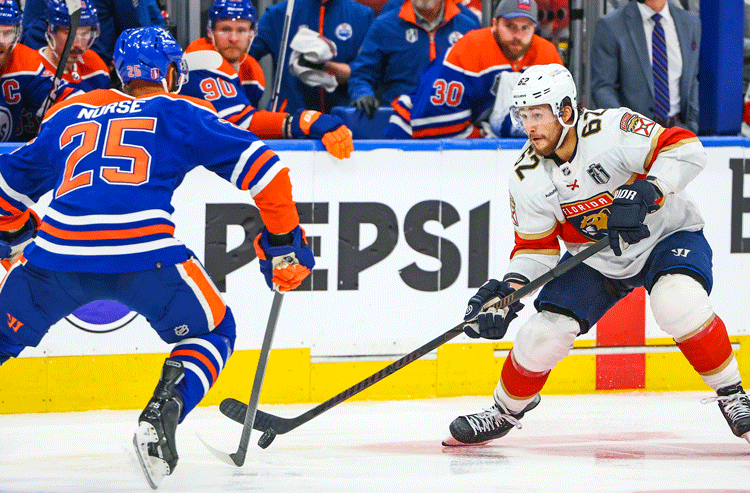
Ice Hockey Nhl Predictions – 10 Ways To Evaluate Special Teams
The evaluation of special teams is essential to make NHL predictions. Both power plays and penalties kills can have the capacity to significantly impact game outcomes. Here are 10 ways to evaluate special teams.
Analyze your team’s penalty kill percent as well as power play percentage. The most successful special teams are defined by high power play percentages and a strong penalty killing.
2. Review recent performances: Take a look at the past few games to see how special teams performed. Recent trends in success or failures may provide insight into the current state of play.
3. Review Special Teams’ Statistics of The Opponents. Examine the performance of special teams by your team’s potential opponents. Power play statistics and penalty kill stats of the two teams can be compared in order to discover any potential weaknesses or strengths.
4. Assess the effectiveness of your team in high-pressure situations Examine how the team performs on special teams in crucial moments like late-game scenarios or during close games. In games that are tight it is crucial to have a clutch performance. huge differences.
Review recent changes to Special Teams Check any recent adjustments or changes to the special team strategy, for example, new power-play settings or penalties kill plans. Recent changes may affect the performance of your team.
6. Examine the impact of your personnel: Look at the performance of the key players in the power play and penalty-kill units. Special teams are affected by the performance of power play quarterbacks and penalty kill specialists.
7. Consider recent injuries and roster changes: Take note of how injuries or roster adjustments could affect special teams. Although new players might be able to boost the efficiency of penalties or power plays kills, missing key players could cause them to be less effective.
8. Take a look at the performance at Home and on the Road: Examine how the special team of the team does at home in relation to how they perform on the roads. Certain teams might have a better power play or penalty killing skills at home because of the familiarity of their fans or.
9. The performance of faceoffs is crucial to the performance of special teams, specifically in power plays. Examine how a team’s performance in faceoffs affects the way they play their special teams.
10. Check for Trends in Special Teams Goals: Monitor changes in the amount of goals scored and allowed on special teams. Teams that consistently score goals or allow special teams goals may possess specific characteristics or weak points that may influence their next games.
With these suggestions, you can gain a comprehensive understanding of how special teams might influence the outcomes of games leading to more accurate and more informed NHL predictions.

 Qazi Qazi